

International
US eases Iranian oil trade restrictions – will India gain or just watch prices fluctuate?
india.com
•23 June 2026, 10:00 PM
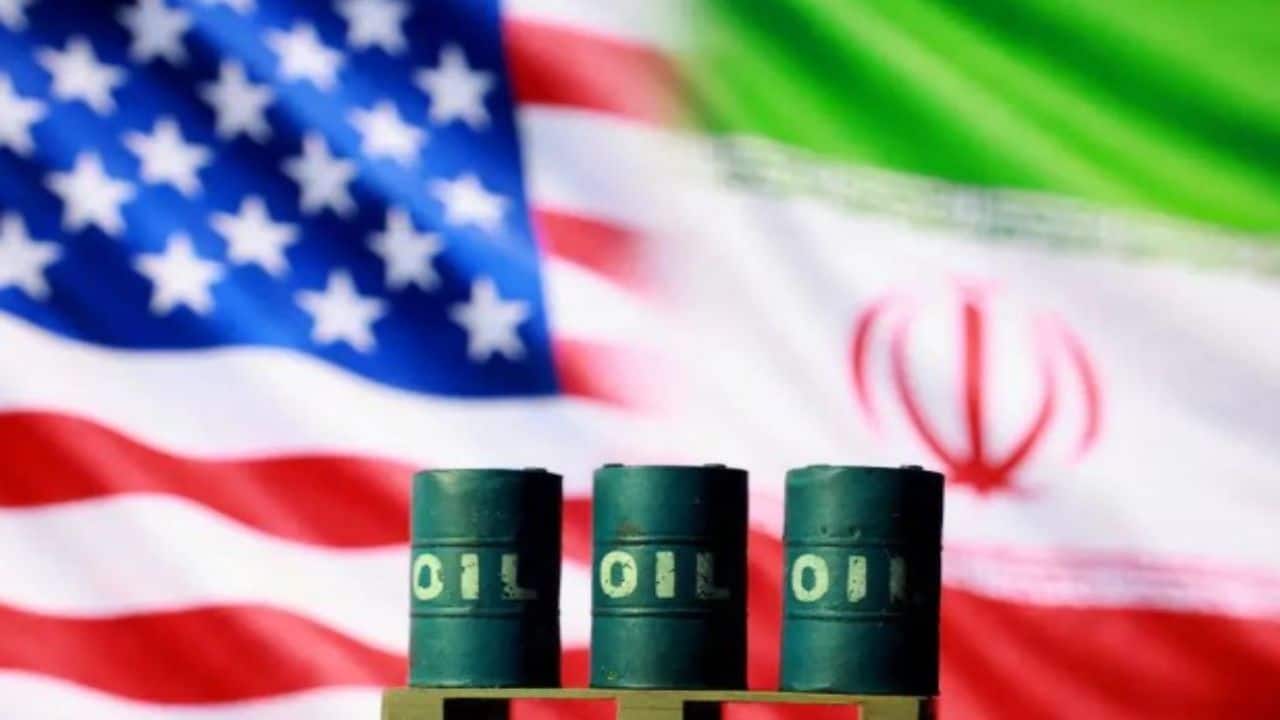

New Delhi: The United States has allowed a temporary easing of restrictions on Iranian oil trade. The 60-day waiver is aimed at improving supply conditions in the international market. India, which is one of the world’s largest energy importers, is expected to feel the effects mainly through changes in international prices rather than new Iranian shipments.The development comes at a time when India’s energy security is facing difficulties due to rising tensions in West Asia and disruptions caused by shipping routes.India depends heavily on imports for crude oil, liquefied natural gas (LNG) and liquefied petroleum gas (LPG). It is the world’s third-largest oil importer, fourth-largest LNG importer and second-largest LPG importer.
In refining, it ranks fourth in the world and is also among the top exporters of refined petroleum products.Hormuz dependence and changing supply routesUntil recently, a large share of India’s energy supplies moved through the Strait of Hormuz. Around 45% of crude oil imports, 50% of LNG and nearly 90% of LPG shipments have traditionally passed through the narrow maritime route. Any disruption in this corridor directly affects supply costs and pricing in the country.ALSO READ: Iran oil exports set to resume under deal, says Trump administrationIran was once a major supplier of crude oil to India. That changed after US sanctions forced New Delhi to diversify its imports towards Iraq, Saudi Arabia, the United Arab Emirates (UAE) and Kuwait.
LNG and LPG supplies also became more dependent on Qatar, Oman and the UAE.After 2022, Russian crude emerged as an alternative source. However, sanctions and tariff warnings from Washington have prevented it from becoming a fully stable long-term option.What the US waiver meansThe 60-day waiver on Iranian energy transactions is expected to ease supply conditions in international markets, but it does not translate into higher direct imports for India.As Energy Intelligence said in its report, “Indian refiners, government officials and market analysts believe that this waiver will not lead to a large increase in Iranian crude purchases. The main reasons are strong competition from other buyers for Iranian oil and caution among Indian companies due to payment challenges and sanctions risks involving Iran.”ALSO READ: Who controls the Strait of Hormuz now after the US–Iran deal?The report further added, “The expectation is that this move will ease international oil supply conditions, which could indirectly benefit India through softer prices or better options. Compared to crude oil, India may look more toward LPG imports from Iran due to higher domestic demand.”This suggests that any benefit for India is more likely to come through stabilised international prices rather than a direct return to Iranian oil purchases.Russia, US and India’s balancing actFollowing the Russia-Ukraine war, India increased its crude imports from Moscow.
Between April 2022 and September 2025, Russian oil accounted for more than 33% of India’s total imports. However, Western sanctions and changing tariff policies have kept this trade under political scrutiny.ALSO READ: Earnings of OMCs seen weak as Q1FY27 under-recoveries bite: ReportIndia has also been adjusting its trade posture with the United States. Under recent trade arrangements, New Delhi has agreed to reduce energy dependence on Russia and increase energy purchases from the United States. It has adding another layer to its sourcing strategy.Iran’s strategic role for IndiaIran continues to hold strategic value for India beyond energy trade.
The Chabahar Port project is seen as an important gateway for access to Central Asia, making Iran an important part of India’s regional connectivity plans.The Middle East Institute wrote in one of its reports, “India’s foreign policy after independence in 1947 can be divided into three phases. The first phase (from 1947 to 1990) was guided by Nehruvian principles. During this period, India followed a policy of non-alignment with major powers and prioritised cooperation with developing countries.The second phase (from 1991 to 2001) saw economic reforms and neoliberal thinking take centre stage. The main goals for India during this time were to acquire advanced technology, resolve political disputes with neighbouring countries and accelerate the process of globalisation.The third phase (from 2001 to the present) shows a move from economic priorities toward security.
Military strength and defence capabilities have become more important. India has also aimed for stronger relations with major powers, greater influence in international affairs and a permanent seat on the United Nations Security Council.”ALSO READ: Strait of Hormuz will never return to pre-war status: Iran signals new maritime policyIran considers India important for several reasons. First, like India, Iran is an Asian country, and the two share long-standing historical and cultural ties.India’s foreign policy also aligns with Iran’s position on several issues. Both countries have opposed unilateral policies by the United States and resisted a unipolar world order.The Middle East Institute further said in the report, “However, international sanctions led to a decline in Iranian oil exports to India.
In the first seven months of 2013, India’s crude oil imports from Iran fell by 46 percent compared to the same period the previous year. Since payments to Iran were being made in rupees instead of dollars, India could have saved up to $8.5 billion in the 2013-14 financial year if it had been able to continue importing Iranian oil at earlier levels.”Where things stand nextThe US decision to ease restrictions on Iranian energy trade may help international supply conditions, but it does not change India’s core challenge. The country still has to balance its imports across multiple suppliers while managing price risks and geopolitical pressure.The impact of the waiver on India is likely to come through marginal price relief rather than a return to heavy Iranian oil imports.
